
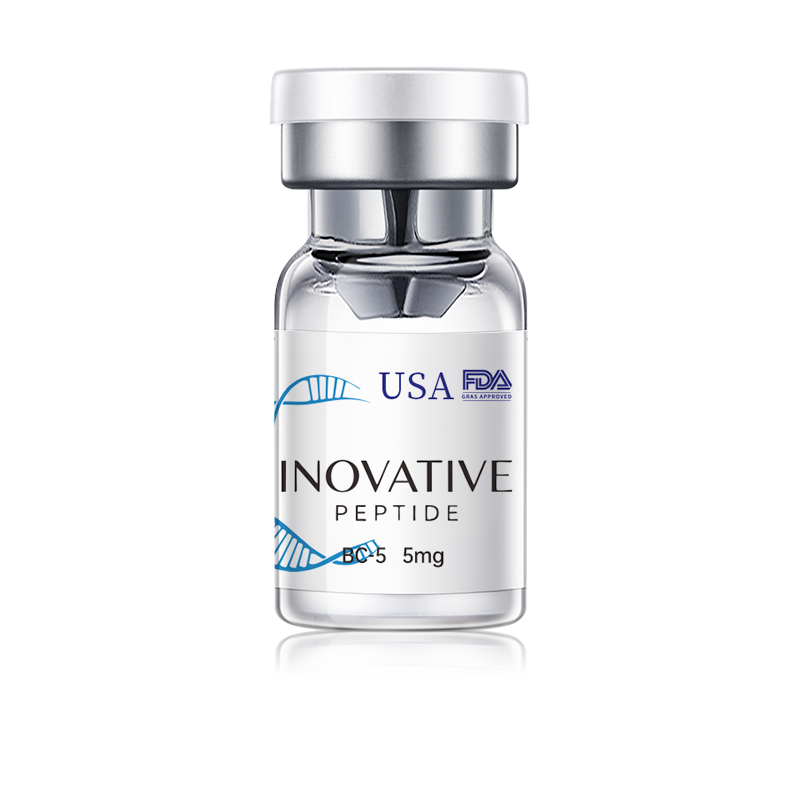
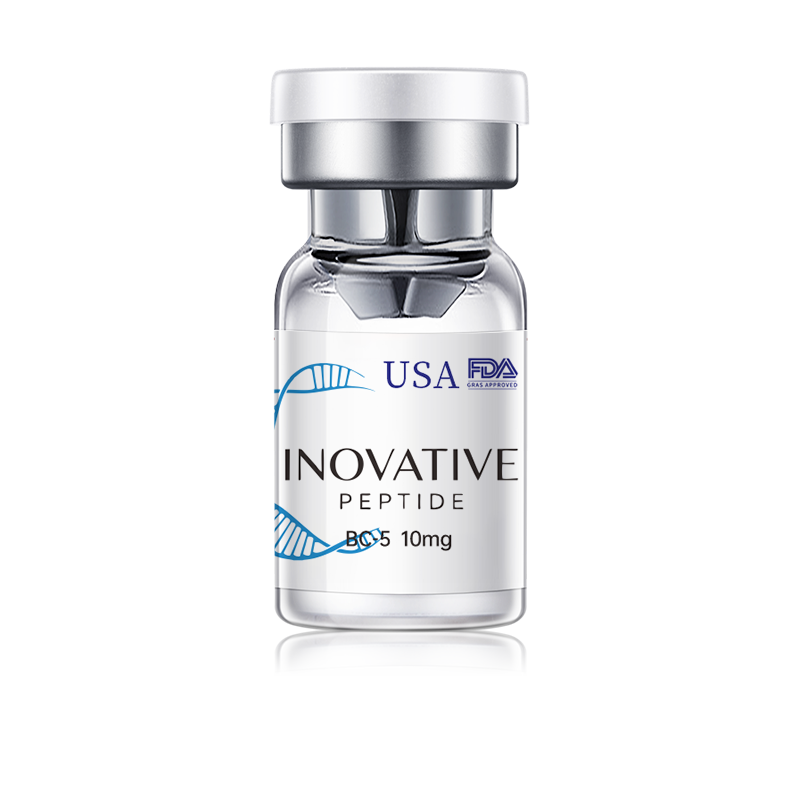
BPC‑157 peptide
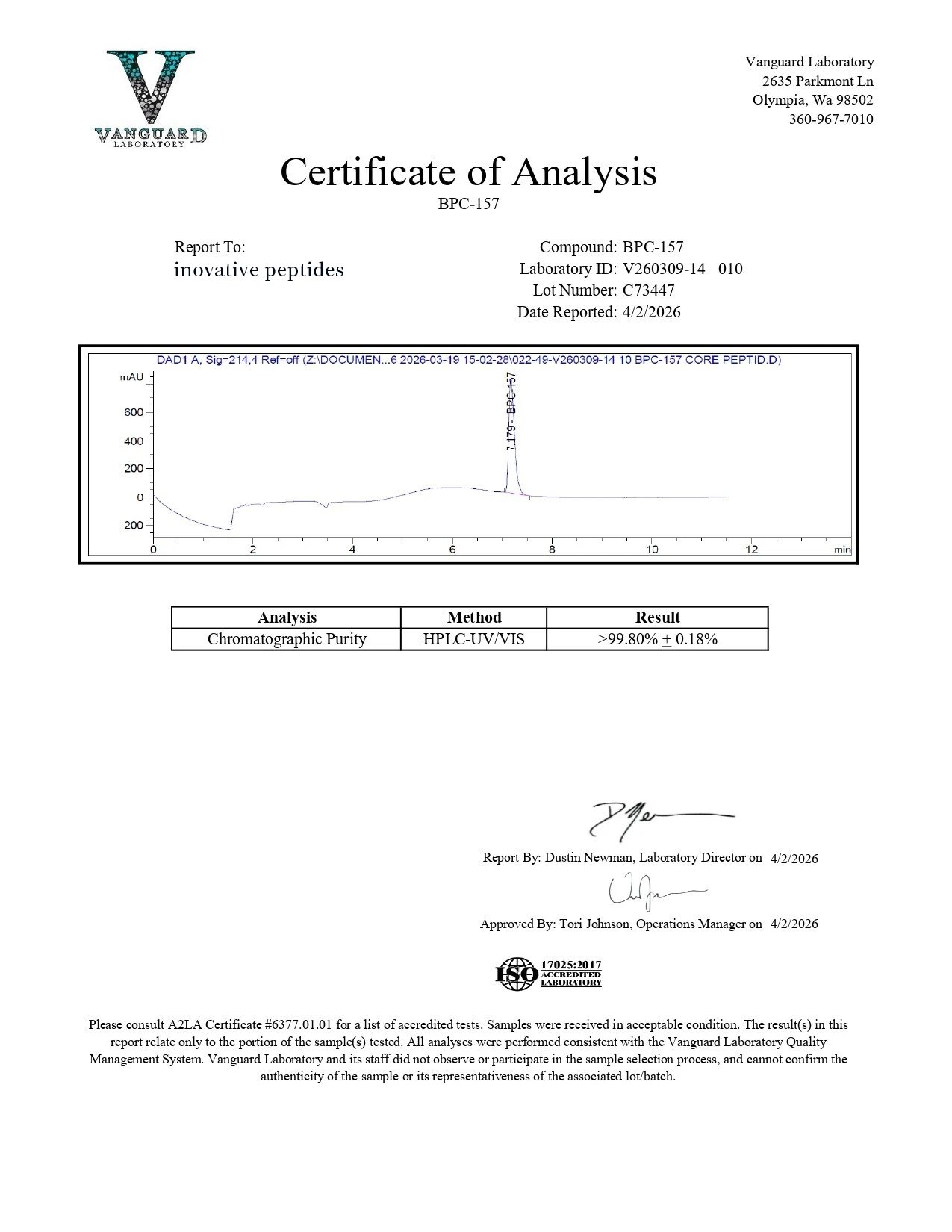
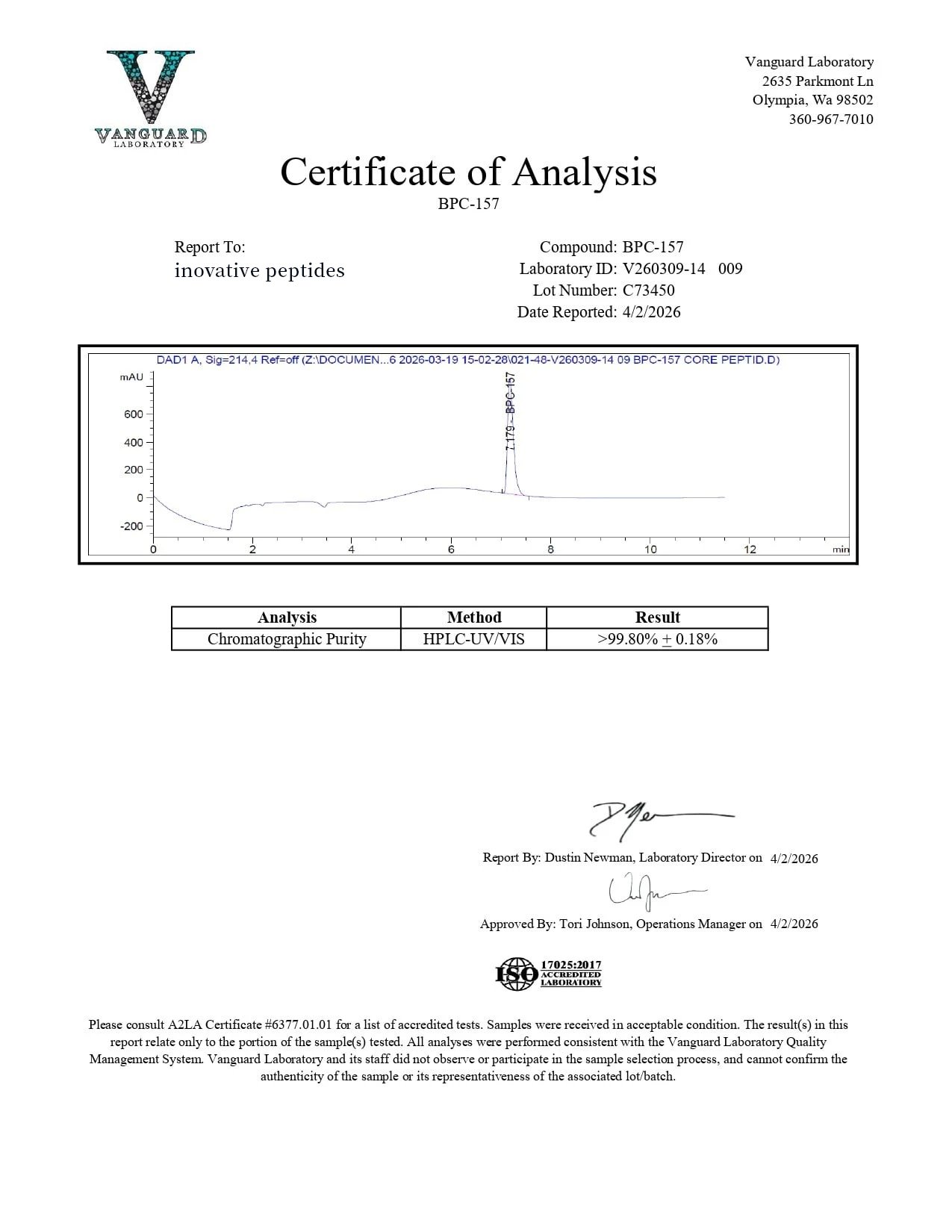
BPC‑157 is a peptide composed of 15 amino acids with potential protective properties. As its name suggests, Body Protection Compound (BPC) is an amino‑acid fragment isolated from gastric juice. (1) Also known as Pentadecapeptide for its sequence of 15 amino acids, BPC‑157. (1)
Overview
The wound‑healing potential of BPC‑157 has been under continuous research. The presence of BPC‑157 may stimulate growth hormone (GH) receptors and thereby elicit growth‑hormone‑like effects. The BPC‑157 peptide appears to bind to growth‑hormone receptors, potentially triggering cell proliferation. This may lead to the formation of new collagen‑rich tissue and promote the development of vascular networks in a process known as angiogenesis. Wounds may therefore “rebuild” and heal at a faster‑than‑normal rate. (1)
BPC‑157 has also been studied for its relevance to gastrointestinal function. Serotonin, an enteric neurotransmitter, is located within the gastrointestinal tract and mucosa. Altered serotonin levels may inhibit gastric‑acid secretion, impair intestinal‑mucosa function and modify gastric blood flow. (2) BPC‑157 appears to exert distinctive antidepressant‑like activity and may counteract serotonin‑induced responses. The peptide may antagonize 5‑HT₂A receptors, limiting serotonin‑receptor binding and suppressing serotonin‑mediated effects. (3) The polypeptide’s potential actions across multiple physiological functions have been investigated, including tissue repair, pain perception, gastrointestinal regulation, and the regeneration of tendon, ligament, muscle and bone cells.
Subsequently, numerous studies have been conducted to characterize the full spectrum of effects of this polypeptide, particularly its capacity to accelerate gastrointestinal ulcer healing, which is elaborated below. Research indicates the peptide may promote angiogenesis and produce anti‑inflammatory effects by improving functional recovery. (4)
Chemical Composition
Molecular Formula: C₆₂H₉₈N₁₆O₂₂ Molecular Weight: 1419.55 g/mol Other Known Names: Body Protection Compound‑157
Research & Pre‑Clinical Studies
BPC‑157 Peptide and Wound Healing
One experiment adopted three mouse‑model injury paradigms: cutaneous trauma, colonic anastomosis, and synthetic‑sponge implantation. A subset of animals received placebo, while the rest were administered the BPC‑157 peptide. Histological examinations were performed upon study completion. Researchers reported that BPC‑157‑treated animals exhibited higher levels of collagen, reticular fibers and vascular development relative to the control group. (5)
In one targeted investigation, scientists explored the hypothesis that BPC‑157 could accelerate wound healing compared with controls. This hypothesis was derived from observations of improvements across several critical healing‑related endpoints: granulation‑tissue formation, which is indispensable for repair, and re‑epithelialization, the process by which new epithelial cells replace wound‑damaged tissue. Improvements were also noted in dermal remodeling (the phase where skin regains tensile strength and elasticity) and collagen deposition, a cornerstone of tissue restoration. (6)
This study further demonstrated that BPC‑157 may upregulate the expression of vascular endothelial growth factor (VEGF) in damaged cutaneous tissue. VEGF is a key angiogenic protein essential for the repair of injured tissue. Researchers additionally hypothesized that the peptide could modulate the proliferation of human umbilical‑vein endothelial cells (HUVECs). These cells line blood‑vessel walls and are vital for neovascularization during wound repair. (6)
Enhanced migration of HUVECs was also observed in wound‑healing assays. The presence of BPC‑157 may increase expression of VEGF‑a, an isoform of VEGF, which accelerates vascular‑lumen formation under laboratory conditions. Furthermore, evidence suggests BPC‑157 can alter the activity of specific proteins and enzymes within cellular‑signaling cascades. Specifically, BPC‑157 appears to modulate phosphorylation levels of extracellular‑signal‑regulated kinase 1/2 (ERK1/2). Phosphorylation is a biochemical switch that activates or deactivates many proteases and constitutes a core step in intracellular signal transduction. Activated ERK1/2 and its downstream targets, including c‑Fos, c‑Jun and Egr‑1, are well‑documented regulators of cell growth, migration and angiogenesis (new‑blood‑vessel formation). (6)
BPC‑157 Polypeptide and Tendon Healing
One in‑vitro experiment used cultured tenofibroblasts harvested from mouse‑model tendon tissue. Cultures were split into a control cohort and a peptide‑treated cohort. The following outcomes were reported at study completion: (1)
- The polypeptide appears to boost tenofibroblast proliferation and tissue healing;
- BPC‑157 can promote cell survival even under oxidative stress induced by H₂O₂;
- The polypeptide facilitates tenofibroblast migration;
- BPC‑157 was found to elevate phosphorylation levels of PAK and paxillin, with total protein concentrations unchanged.
Analysis suggests the peptide supports tendon repair, tendon growth and cell survival by promoting F‑actin assembly and activating the FAK‑paxillin signaling pathway. (1) F‑actin forms a major cytoskeletal component, providing structural support and enabling cellular motility. Enhanced F‑actin formation triggered by BPC‑157 may improve cytoskeletal organization and migratory capacity in tenofibroblasts — processes critical for tendon regeneration. In subsequent experimental phases, researchers performed Western blotting, a standard laboratory technique used to detect target proteins in samples. Assay‑derived evidence indicated BPC‑157 may activate focal‑adhesion kinase (FAK) and paxillin, two proteins with pivotal roles in cellular physiology. Increased phosphorylation of FAK and paxillin was observed in the presence of BPC‑157, while total protein levels remained stable. This observation led to the conclusion that BPC‑157 primarily activates existing protein molecules, rather than stimulating de‑novo protein synthesis. A further hypothesis was proposed: BPC‑157 activates the FAK‑paxillin pathway, a signaling cascade that drives cell migration and adhesion, especially in tenofibroblasts. Activation of this pathway allows BPC‑157 to enhance the motility and adhesion of tendon‑derived fibroblasts, two core processes required for tendon healing and regeneration.
BPC‑157 Peptide and Gastrointestinal Healing
One research project compared the angiogenic effects of BPC‑157 against well‑known growth factors including EGF, FGF and VEGF. The primary hypothesis stated that BPC‑157 possesses high stability, excellent biocompatibility, and robust standalone therapeutic activity. While improved healing outcomes were documented across multiple test agents, only BPC‑157 delivered consistent repair results for both acute and chronic wounds throughout the esophagus, stomach, duodenum and lower gastrointestinal tract. The study confirmed that the angiogenic potential of this peptide is substantial, as its beneficial effects extend far beyond superficial wounds and ligament injuries, covering gastrointestinal mucosal damage and bone repair. (7)
BPC‑157 Polypeptide and Tissue Injury
A study was undertaken to evaluate the angiogenic capacity of BPC‑157 beyond cutaneous, ligament and gastrointestinal wounds, and to assess its effects on multiple gastrointestinal lesions, liver injury, cardiac damage, endothelial impairment and blood‑pressure regulation. Based on experimental findings, scientists concluded that BPC‑157 may trigger a broad spectrum of protective responses via the peptidergic defense system. Additionally, BPC‑157 can mitigate acute and chronic inflammation, accelerate cutaneous wound repair, and support fracture healing, including the remediation of non‑union fractures. This wide‑ranging bioactivity indicates BPC‑157 may constitute an endogenous component of the organism’s intrinsic peptidergic defensive network. (8)
Multiple neurotransmitters and signaling pathways, such as dopamine, nitric oxide and prostaglandins, alongside other nervous‑system components, are physiologically vital. Excessive activation or suppression of these pathways can trigger pathological damage in various organs. Acting through the endogenous defense system, BPC‑157 appears to counterbalance dysregulation of these pathways and reverse their over‑activation or inhibition. Researchers specified these target systems include “dopamine, nitric oxide, prostaglandins, the somatosensory nervous system, and more.” (8)
BPC‑157 Polypeptide and Muscle Repair
An animal experiment was conducted on mice with injured gastrocnemius muscle complexes. The injured animals were administered methylprednisolone, a corticosteroid. Steroid‑treated mice were then subdivided into two groups: one receiving BPC‑157, and the other receiving placebo. Both treatments were injected once within a 24‑hour window, and assessments were performed on Day 1, 2, 4, 7 and 14. Test results revealed that corticosteroid administration significantly aggravated skeletal‑muscle damage. By contrast, BPC‑157 produced clear healing effects, facilitating recovery of damaged gastrocnemius tissue and restoration of muscular function. (9)
Amphetamine‑Induced Hypersensitivity
Laboratory assays have demonstrated that BPC‑157 can facilitate the repair of a diverse range of tissue injuries affecting the gastrointestinal tract, liver, pancreas and other organs. These repair‑related findings suggest a functional interaction between BPC‑157 and the dopamine signaling system. To further explore this relationship, researchers administered BPC‑157 to mouse models treated with amphetamine, a dopamine agonist. Observations showed BPC‑157 could reverse amphetamine‑stimulated hyperactivity. In a follow‑up trial, mice were pre‑treated with haloperidol (another dopamine agonist), then challenged with amphetamine on Day 1, 2, 4 and 10. Subsequent BPC‑157 intervention almost completely reversed haloperidol‑mediated physiological effects. (10)
BPC‑157 Polypeptide and the Central Nervous System
One mouse‑model investigation explored the therapeutic potential of BPC‑157 in traumatic brain injury (TBI). Experimental outcomes indicated that BPC‑157 significantly mitigated TBI‑induced damage and improved early‑stage prognoses. Mortality rates were markedly reduced in the BPC‑157 treatment group during the critical 24‑hour post‑injury window. Furthermore, typical TBI‑related traumatic lesions, including subarachnoid hemorrhage, intraventricular hemorrhage, cerebral laceration and hemorrhagic contusion, were less severe in animals receiving BPC‑157. These results demonstrate the peptide’s neuroprotective potential against traumatic cerebral damage. (11)
A notable secondary finding was the marked reduction of cerebral edema, the swelling of brain tissue triggered by trauma. Researchers hypothesized that pre‑treatment with BPC‑157 prior to TBI onset could shift the ratio of conscious‑unconscious‑deceased outcomes in experimental subjects. In other words, the polypeptide may prevent or reduce the severity of TBI‑associated loss of consciousness and lower mortality risk. Pre‑injury exposure to BPC‑157 immediately before impact‑pulse trauma (an established laboratory model of TBI) also attenuated brain damage in mice. This finding reveals the prophylactic, neuroprotective potential of BPC‑157 against the immediate pathological consequences of traumatic brain injury in laboratory‑animal models. (11)
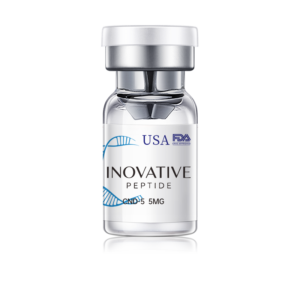
Disclaimer: BPC‑157 peptide is intended exclusively for laboratory‑based research use. Please review and abide by our Terms and Conditions prior to placing your order.

Reviews
There are no reviews yet.